

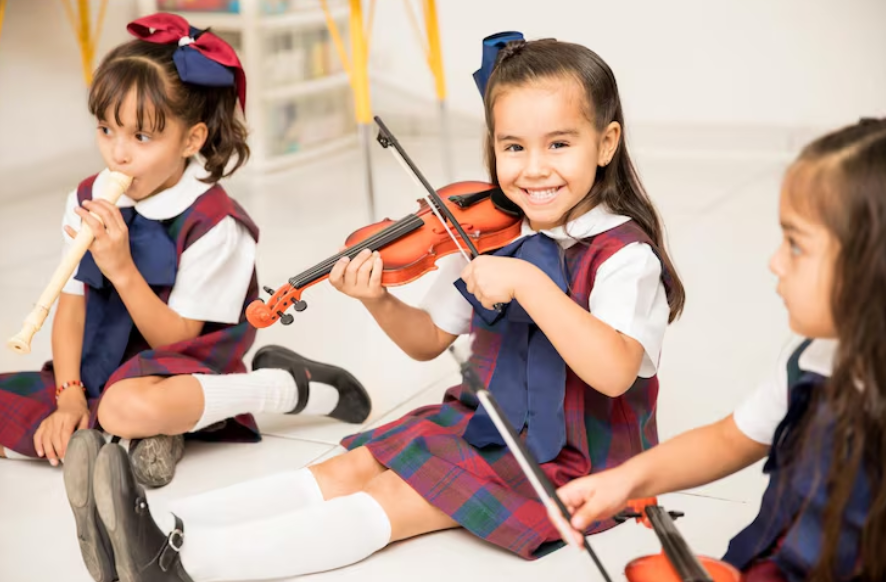
Every child has something special waiting to be discovered. Sometimes it appears while singing loudly in the living room. Other times it shows up during a school play or a dance class. Creative hobbies do much more than keep children busy after school.
They help kids express themselves, solve problems, and grow more confident with every new challenge. The goal is not to create a superstar overnight. It is to help children enjoy learning while discovering what makes them shine.
Confidence Through Creativity
Creative activities give children a chance to try something new without worrying about getting every detail perfect. Dancing, acting, singing, and playing music encourage kids to express their thoughts and feelings in fun, exciting ways. Confidence often grows through small victories.
A child who remembers a dance routine or performs a short scene in front of classmates starts believing in their own abilities. Even if they make a mistake, they learn that it is okay to laugh, keep going, and improve with practice.
Finding Hidden Talents
Children are full of surprises. A quiet child may love acting once they step onto a stage, while someone who never stops talking might discover a passion for playing the piano. Giving kids the chance to try different creative activities helps them uncover interests they may never have expected.
Parents should their kids explore and see what feels exciting. Some activities may not be the right fit, and that is perfectly normal. Trying different experiences teaches children that learning is an adventure, not a competition.
Choosing A Performing Arts School
Finding the right performing arts school can make a big difference in a child’s experience. Look for programs with kind, encouraging teachers who understand how to support children at different ages and skill levels. A welcoming atmosphere helps students feel comfortable trying new things.
It also helps if the school offers opportunities to perform in front of family or small audiences. These experiences allow children to build confidence. The best programs focus on progress rather than perfection, making every child feel included and valued along the way.
Learning Beyond Stage
The lessons children learn through performing arts continue long after the music stops or the curtain closes. They practice listening carefully, following directions, working with teammates, and staying patient while learning new skills. These habits can make everyday school life a little easier too.
Performing also teaches resilience. Not every performance will go exactly as planned, and that is part of the fun. Children learn to recover from mistakes, support one another, and keep moving forward. Those are valuable life skills that can help in classrooms, friendships, and future careers.
Encouraging Every Child
The best way to support young performers is to celebrate effort instead of expecting perfection. Cheer when they learn a new song, remember their lines, or simply have the courage to stand in front of others. Those moments matter more than flawless performances.
Keep the experience enjoyable by letting children learn at their own pace. Encourage regular practice, but leave room for laughter and creativity too. With plenty of opportunities to explore, every child can discover talents that stay with them.