

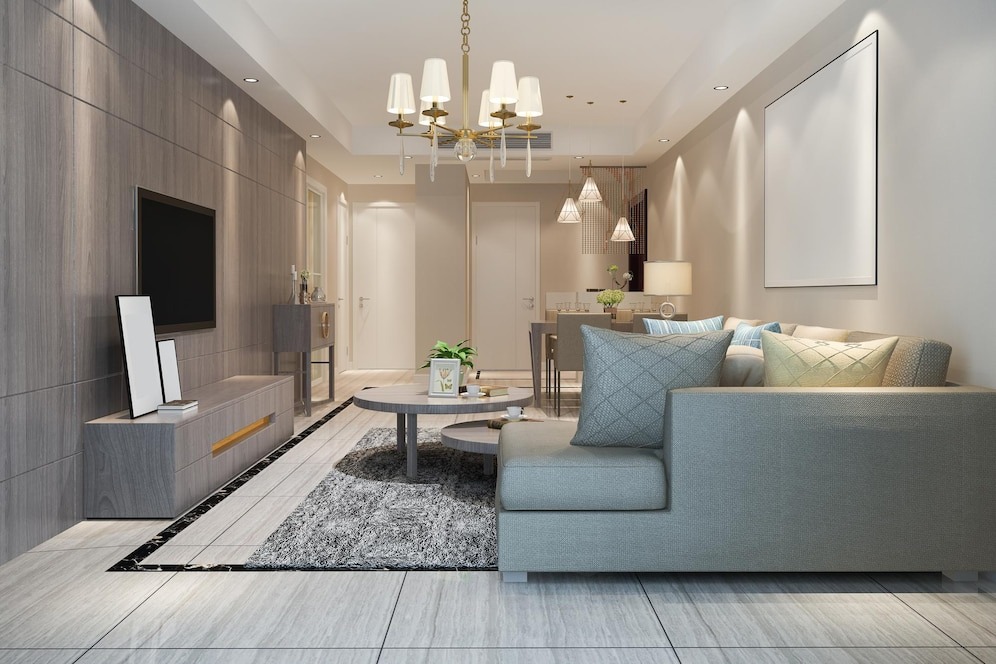
In the world of interior design, the ability to visualize spaces in three dimensions is a game-changer. Designing 3D interiors allows designers, architects, and homeowners to move beyond flat sketches and floor plans, offering a lifelike representation of how a space will look and feel once completed. In this comprehensive guide, we’ll explore the art and science of designing 3D interiors, from the tools and techniques used to the benefits it brings to the design process.
The Importance of 3D Interior Design:
- Realism: Design 3D interior allows designers to create photorealistic renderings of their concepts, giving clients and stakeholders a clear understanding of the final result before construction begins.
- Visualization: Unlike traditional 2D drawings, 3D interiors provide a more immersive and intuitive way to visualize spaces, helping designers and clients better understand spatial relationships, scale, and proportions.
- Creativity: With 3D interior design software, designers have the freedom to experiment with different layouts, materials, and finishes, unleashing their creativity and pushing the boundaries of what’s possible in interior design.
- Problem-Solving: 3D interiors make it easier to identify potential design issues and challenges early in the process, allowing designers to address them before construction begins, saving time and money in the long run.
Tools and Software for Designing 3D Interiors:
- SketchUp: SketchUp is a versatile 3D modeling software widely used in interior design. Its intuitive interface and robust feature set make it ideal for creating detailed interior models, from furniture and fixtures to entire rooms and buildings.
- Blender: Blender is a powerful open-source 3D creation suite that offers a wide range of tools for modeling, texturing, lighting, and rendering. While it has a steeper learning curve compared to other software, Blender’s flexibility and advanced features make it a favorite among experienced designers.
- AutoCAD: AutoCAD is a popular CAD software used in various industries, including interior design. While primarily known for 2D drafting, AutoCAD also offers 3D modeling capabilities, allowing designers to create detailed interior models with precision and accuracy.
- Revit: Revit is a Building Information Modeling (BIM) software widely used in architecture and interior design. Its parametric modeling tools and collaborative features make it ideal for creating detailed 3D interior models and coordinating with other disciplines.
- 3ds Max: 3ds Max is a professional 3D modeling and rendering software used in industries such as architecture, interior design, and entertainment. With its extensive library of plugins and rendering engines, 3ds Max allows designers to create stunning photorealistic interiors with ease.
Techniques for Designing 3D Interiors:
- Start with a Plan: Before diving into 3D modeling, it’s essential to have a clear plan and vision for the space. Consider factors such as functionality, flow, and aesthetics to guide your design decisions.
- Create a Rough Sketch: Begin by sketching out the basic layout and structure of the space. This rough sketch will serve as a blueprint for your 3D model, helping you visualize the overall composition and organization of the interior.
- Modeling: Once you have a rough sketch, start creating the 3D model using your chosen software. Begin by blocking out the basic shapes and volumes, then gradually refine the details and add finer elements such as furniture, fixtures, and decor.
- Materials and Textures: Apply materials and textures to your 3D model to add realism and depth to the interior. Consider factors such as lighting, scale, and texture mapping to ensure that the materials accurately reflect their real-world counterparts.
- Lighting and Rendering: Experiment with different lighting setups and rendering techniques to enhance the visual appeal of your 3D interior. Use natural and artificial lighting sources to create atmosphere and mood, and utilize advanced rendering features such as global illumination and ambient occlusion for added realism.
- Post-Processing: After rendering your 3D interior, fine-tune the final image using post-processing software such as Adobe Photoshop or Affinity Photo. Adjust the colors, contrast, and composition to achieve the desired look and feel, and add finishing touches such as vignettes or lens flares for added visual impact.
Benefits of Designing 3D Interiors:
- Client Communication: 3D interiors make it easier to communicate design ideas to clients and stakeholders, reducing misunderstandings and ensuring alignment on project goals and objectives.
- Time and Cost Savings: By identifying and addressing design issues early in the process, 3D interiors help minimize costly revisions and changes during construction, saving both time and money.
- Creative Freedom: With 3D interior design software, designers have the freedom to experiment with different styles, layouts, and materials, allowing them to explore their creativity and push the boundaries of conventional design.
- Marketing and Presentation: Photorealistic 3D renderings are powerful marketing tools that can help attract clients and showcase the designer’s skills and expertise. Whether used in portfolio presentations or marketing materials, 3D interiors leave a lasting impression on potential clients and collaborators.
Conclusion:
Designing 3D interiors is a powerful tool that allows designers, architects, and homeowners to visualize spaces with unparalleled realism and creativity. By leveraging advanced software tools and techniques, designers can create stunning interior models that not only capture the imagination but also provide valuable insights into the design process. Whether used for client presentations, marketing materials, or personal projects, 3D interiors are a valuable asset that can elevate any design project to new heights of excellence and innovation.