

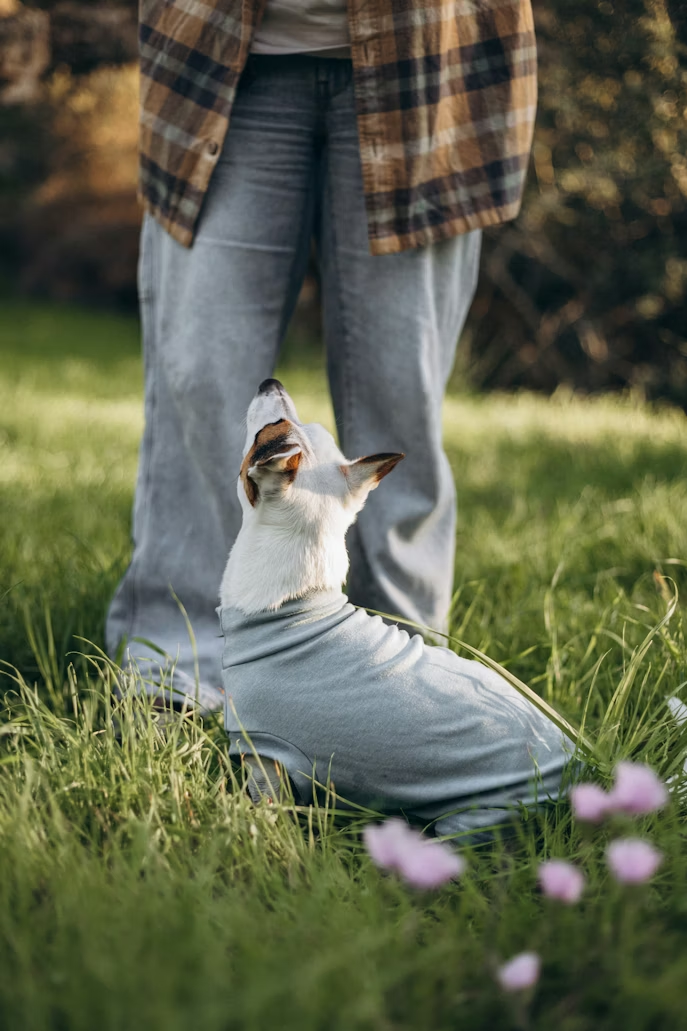
Bringing a new puppy into your home is an exciting and joyful experience, but it also comes with responsibilities. One of the most important steps in raising a well-adjusted dog is teaching them how to interact with people, other dogs, and new environments. At Rob’s Dog Training, we understand how crucial it is to get this right from the start. In this article, we will guide you through practical steps and tips on how to properly socialize a puppy, ensuring your furry friend grows up confident, happy, and friendly.
Understanding Puppy Socialization
Socialization is the process of helping a puppy become comfortable and confident in a variety of situations. A well-socialized dog is less likely to develop behavioral issues, such as fear, aggression, or anxiety. Puppies have a critical socialization period, usually between three and fourteen weeks of age, where their experiences significantly shape how they perceive the world. During this time, positive experiences with people, other animals, sounds, and environments are vital.
Our goal is to provide your puppy with experiences that are safe, positive, and structured. This helps them learn how to behave calmly and confidently when faced with new situations later in life. Socialization is not a one-time event; it is a continuous process that requires consistency, patience, and encouragement.
Introducing Your Puppy to New People
A key aspect of socialization is helping your puppy feel comfortable around different types of people. Start by inviting friends or family members over, ensuring each interaction is calm and positive. Encourage gentle petting and reward your puppy with treats for relaxed behavior. Exposing your puppy to people of various ages, sizes, and appearances helps prevent fear or anxiety around strangers.
It’s important to watch your puppy’s body language. If they appear hesitant or scared, do not force interaction. Step back, give them space, and allow them to approach at their own pace. Over time, these gradual introductions will build trust and confidence.
Socializing With Other Dogs
Meeting other dogs is equally important. Social play teaches puppies vital communication skills and helps them understand canine body language. Begin with well-mannered, vaccinated dogs in a controlled environment. Puppy classes or small playgroups are excellent options, providing both supervision and guidance from experienced trainers.
Supervised play ensures that interactions remain positive. Puppies learn bite inhibition, how to respond to cues, and proper play behavior. If any rough or aggressive behavior occurs, calmly intervene and redirect attention to more appropriate play.
Exposure to Different Environments
Puppies need to experience a variety of environments to become adaptable adults. Take your puppy on walks in quiet areas at first, gradually introducing busier streets, parks, or pet-friendly stores. Each new environment presents sights, sounds, and smells that help build confidence.
Even routine experiences, like car rides or visiting the veterinarian, are opportunities for positive exposure. Reward calm behavior and create associations with treats, praise, and gentle guidance. Avoid forcing your puppy into overwhelming situations; gradual exposure ensures each experience is positive and stress-free.
Handling and Grooming
Regular handling and grooming are important parts of socialization. Touch your puppy’s paws, ears, and tail gently, making these moments pleasant with praise or treats. Introducing nail trims, brushing, and dental care early helps them become comfortable with regular maintenance.
These sessions not only prevent future resistance but also strengthen the bond between you and your puppy. When handled positively, your puppy will be more cooperative and less anxious during grooming or vet visits throughout their life.
Positive Reinforcement and Training
Training is closely linked to socialization. Teaching basic commands, such as sit, stay, and come, helps your puppy navigate new situations safely. Positive reinforcement, praise, treats, or affection, encourages desirable behavior and builds trust.
Using training as a socialization tool allows your puppy to learn while experiencing new people, animals, or environments. For example, practicing “sit” in a park exposes them to distractions while maintaining control and focus.
Avoiding Common Socialization Mistakes
It is easy to make errors that can hinder socialization. Avoid punishing fearful behavior, as this can increase anxiety. Do not rush exposure to large crowds or unfamiliar dogs before your puppy is ready. Safety is paramount; ensure vaccinations are up to date before attending public events or interacting with unknown dogs.
Consistency and patience are essential. Socialization is a gradual process, and forcing interactions or punishing hesitation can have long-lasting negative effects. Focus on creating enjoyable, low-stress experiences that build confidence over time.
Socializing for Long-Term Benefits
Proper socialization has lifelong benefits. A well-socialized puppy is more likely to be friendly, adaptable, and less prone to behavioral problems. They can enjoy visits to dog-friendly places, interact confidently with family and friends, and respond calmly in unexpected situations.
We often see how a structured socialization plan, combined with ongoing training, leads to happier, well-adjusted dogs. Investing time early on pays off with fewer behavioral challenges, making life with your pet more rewarding for both of you.
Ongoing Socialization Beyond Puppyhood
Socialization should continue as your dog grows. New experiences, training opportunities, and controlled interactions help maintain confidence and prevent fear-based behaviors. Regular exposure to different people, dogs, and environments strengthens social skills and ensures your dog remains comfortable in diverse situations.
Even adult dogs benefit from continued socialization. Small, manageable introductions and positive reinforcement help them adapt to new experiences without stress.
Supporting Your Puppy’s Socialization Journey
At Rob’s Dog Training, we focus on guiding you through this crucial stage of your puppy’s life. Our approach emphasizes gentle, positive methods to help puppies grow into confident and friendly adult dogs. Each step is tailored to your puppy’s unique personality, ensuring experiences are enjoyable, safe, and effective.
We provide practical tips, structured classes, and support to make socialization an achievable goal for every puppy owner. From handling basics to controlled interactions with other dogs, our team is dedicated to helping you succeed in raising a well-adjusted dog.
Conclusion
Socializing a puppy is one of the most important investments you can make in their future well-being. By gradually introducing them to people, other animals, new environments, and handling routines, you help your puppy develop confidence and adaptability. At Rob’s Dog Training, we are passionate about guiding owners through this journey, ensuring every puppy grows into a friendly, happy, and well-behaved companion. If you want to learn more about how to properly socialize a puppy, visit Rob’s Dog Training for expert guidance and support every step of the way.