

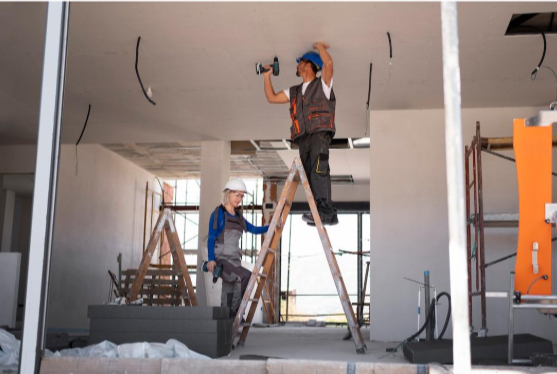
When you build your new home or renovate an old one, the process can feel both overwhelming and exciting. To enhance comfort and efficiency in your sanctuary, you can replace old systems and install high-quality materials and equipment. You can also align your home design with modern trends and your personal style. These upgrades improve the quality of life, peace of mind, and the visual appeal of your home. Here are some steps that every homeowner should know before designing or building a new home.
1. Plan for a Reliable Septic System
A septic system is an effective way to treat wastewater and breaks down waste from toilets, sinks, and drains. When you renovate or build your home, you should hire expert septic system management services, as they can handle everything from inspection to replacement or installation. They can install both poly and concrete septic tanks that efficiently settle solid waste at the bottom and allow liquids to flow into a leach field. Whether constructing a new home or upgrading an existing property, septic tank companies can efficiently install systems using their experience and knowledge to handle projects of any size.
2. Inspect and Upgrade Plumbing Systems
Over time, a home’s plumbing system can fail due to clogged drains, improper pipe installation, corrosion, seal damage, and cracked pipes. You may also experience sudden shutdowns of air conditioners, water heaters, or furnaces. When upgrading your plumbing system or installing new ones, you should work with expert plumbing contractors. Professional plumbing services handle all plumbing or HVAC issues and protect your existing or new home from leaky faucets, repiping, clogged drains, and boiler or gas furnace problems.
3. Install Energy-Efficient Thermostats
One of the most important upgrades for all seasons is installing programmable thermostats to improve energy efficiency. These devices are ideal because they allow you to control heating and cooling only when needed. With a thermostat, you can manage your home’s temperature with ease. In summer, when you are away, you can lower the temperature to save energy. In winter, you can raise the temperature so that your home feels warm before you return.
4. Hire Certified Electrical Experts
If you live in an older home, you may face issues such as flickering lights or frequent breaker trips. For the safety and comfort of your home, contact residential electrical services. They manage a wide range of electrical work, including troubleshooting, repairs, new installations, panel upgrades, rewiring, ceiling fan and lighting installation, and energy-efficient upgrades. Whether remodeling a kitchen, upgrading an electrical panel, or installing new fixtures, certified electrical contractors can also provide smart home automation services that increase efficiency and convenience.
5. Strengthen Home Security Systems
To protect your home, whether new or old, install a smart security system. These systems include features such as CCTV cameras, motion sensors, and real-time monitoring of unusual activity at your doorstep. You can enhance safety further with smart locks and video doorbell technology. Even while you are on vacation, you can keep an eye on your property remotely. Moreover, these systems send instant alerts via email or notifications when suspicious activity is detected, allowing quick action against potential threats.
 TomEditor